
Loading...
Pubblicazioni Scientifiche
Filtri di ricerca 31 risultati
Pubblicazioni per anno
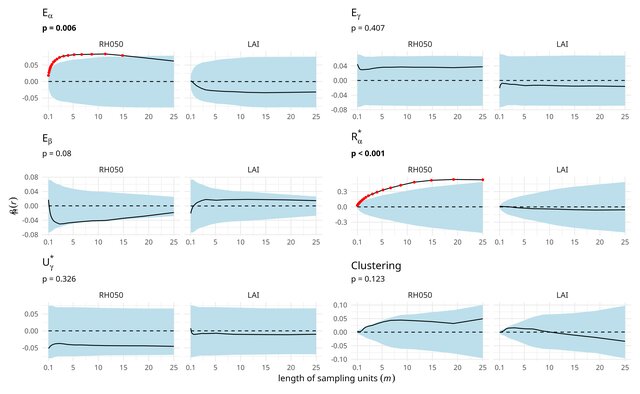
Forest structure and understory functional diversity at multiple scales: The importance of median tree height
de Benedictis
,
Luciano Ludovico Maria
,
Chelli
,
Stefano
,
Zhu
,
Zhengxue
,
Cervellini
,
Marco
,
Canullo
,
R.
,
Chianucci
,
Francesco
,
Puletti
,
Nicola
,
Tsakalos
,
James L.
,
Bartha
,
Sándor
,
Campetella
,
Giandiego

Benchmarking tree species classification from proximally sensed laser scanning data: Introducing the FOR-species20K dataset
Puliti
,
Stefano
,
Lines
,
Emily R.
,
Müllerová
,
Jana
,
Frey
,
Julian
,
Schindler
,
Zoe
,
Straker
,
Adrian
,
Allen
,
Matthew J.
,
Winiwarter
,
Lukas
,
Rehush
,
Nataliia
,
Hristova
,
Hristina S.
,
Murray
,
Brent A.
,
Calders
,
Kim
,
Coops
,
Nicholas C.
,
Höfle
,
Bernhard
,
Irwin
,
Liam A.K.
,
Junttila
,
Samuli
,
Kruček
,
Martin
,
Krok
,
G.
,
Král
,
Kamil
,
Levick
,
Shaun R.
,
Lück
,
Linda
,
Missarov
,
Azim
,
Mokroš
,
M.
,
Owen
,
Harry Jon Foord
,
Stereńczak
,
Krzysztof Jan
,
Pitkänen
,
Timo P.
,
Puletti
,
Nicola
,
Saarinen
,
Ninni
,
Hopkinson
,
Chris Dennis
,
Terryn
,
Louise
,
Torresan
,
C.
,
Tomelleri
,
Enrico
,
Weiser
,
Hannah
,
Astrup
,
Rasmus
Mostra abstract
Proximally sensed laser scanning presents new opportunities for automated forest ecosystem data capture. However, a gap remains in deriving ecologically pertinent information, such as tree species, without additional ground data. Artificial intelligence approaches, particularly deep learning (DL), have shown promise towards automation. Progress has been limited by the lack of large, diverse, and, most importantly, openly available labelled single-tree point cloud datasets. This has hindered both (1) the robustness of the DL models across varying data types (platforms and sensors) and (2) the ability to effectively track progress, thereby slowing the convergence towards best practice for species classification. To address the above limitations, we compiled the FOR-species20K benchmark dataset, consisting of individual tree point clouds captured using proximally sensed laser scanning data from terrestrial (TLS), mobile (MLS) and drone laser scanning (ULS). Compiled collaboratively, the dataset includes data collected in forests mainly across Europe, covering Mediterranean, temperate and boreal biogeographic regions. It includes scattered tree data from other continents, totaling over 20,000 trees of 33 species and covering a wide range of tree sizes and forms. Alongside the release of FOR-species20K, we benchmarked seven leading DL models for individual tree species classification, including both point cloud (PointNet++, MinkNet, MLP-Mixer, DGCNNs) and multi-view 2D-based methods (SimpleView, DetailView, YOLOv5). 2D Image-based models had, on average, higher overall accuracy (0.77) than 3D point cloud-based models (0.72). Notably, the performance was consistently >0.8 across scanning platforms and sensors, offering versatility in deployment. The top-scoring model, DetailView, demonstrated robustness to training data imbalances and effectively generalized across tree sizes. The FOR-species20K dataset represents an important asset for developing and benchmarking DL models for individual tree species classification using proximally sensed laser scanning data. As such, it serves as a crucial foundation for future efforts to classify accurately and map tree species at various scales using laser scanning technology, as it provides the complete code base, dataset, and an initial baseline representative of the current state-of-the-art of point cloud tree species classification methods. © 2025 The Author(s). Methods in Ecology and Evolution published by John Wiley & Sons Ltd on behalf of British Ecological Society.
Estimating canopy and stand structure in hybrid poplar plantations from multispectral UAV imagery
Romano
,
Elio
,
Brambilla
,
Massimo
,
Chianucci
,
Francesco
,
Tattoni
,
Clara
,
Puletti
,
Nicola
,
Chirici
,
Gherardo
,
Travaglini
,
Davide
,
Giannetti
,
Francesca
canopy photography
canopy structure
poplar plantation
texture metrics
digital camera
gclm metrics
unmanned aerial vehicle
Mostra abstract
Accurate estimates of canopy structure like canopy cover (CC), Leaf Area Index (LAI), crown volume (Vcr), as well as tree and stand structure like stem volume (V_st) and basal area (G), are considered essential measures to manage poplar plantations effectively as they are correlated with the growth rate and the detection of possible stress. This research exploits the possibility of developing a precision forestry application using an unmanned aerial vehicle (UAV), terrestrial digital camera and traditional field measurements to monitor poplar plantation variables. We set up the procedure using explanatory variables from the Grey Level Co-occurrence Matrix textural metrics (Entropy, Variance, Dissimilarity and Contrast) calculated based on UAV multispectral imagery. Our results show that the GCLM texture derived by multispectral ortomosaic provides adequate explanatory variables to predict poplar plantation characteristics related to plants' canopy and stand structure. The evaluation of the models targeting the different poplar plantation variables (i.e. Vcr, G_ha, Vst_ha, CC and LAI) with the four GLCM explanatory variables (i.e. Entropy, Variance, Dissimilarity and Contrast) consistently higher or equal resulted to R<sup>2</sup> ≥0.86. © 2024, Editura Silvica. All rights reserved.
Multiple drivers of functional diversity in temperate forest understories: Climate, soil, and forest structure effects
Chelli
,
Stefano
,
Bricca
,
Alessandro
,
Tsakalos
,
James L.
,
Andreetta
,
Anna
,
Bonari
,
Gianmaria
,
Campetella
,
Giandiego
,
Carnicelli
,
Stefano
,
Cervellini
,
Marco
,
Puletti
,
Nicola
,
Wellstein
,
Camilla
,
Canullo
,
R.
climate change
functional diversity
bud bank
forest management
plant height
seed mass
specific leaf area
Mostra abstract
In macroecology, shifting from coarse- to local-scale explanatory factors is crucial for understanding how global change impacts functional diversity (FD). Plants possess diverse traits allowing them to differentially respond across a spectrum of environmental conditions. We aim to assess how macro- to microclimate, stand-scale measured soil properties, forest structure, and management type, influence forest understorey FD at the macroecological scale. Our study covers Italian forests, using thirteen predictors categorized into climate, soil, forest structure, and management. We analyzed five traits (i.e., specific leaf area, plant size, seed mass, belowground bud bank size, and clonal lateral spread) capturing independent functional dimensions to calculate the standardized effect size of functional diversity (SES-FD) for all traits (multi-trait) and for single traits. Multiple regression models were applied to assess the effect of predictors on SES-FD. We revealed that climate, soil, and forest structure significantly drive SES-FD of specific leaf area, plant size, seed mass, and bud bank. Forest management had a limited effect. However, differences emerged between herbaceous and woody growth forms of the understorey layer, with herbaceous species mainly responding to climate and soil features, while woody species were mainly affected by forest structure. Future warmer and more seasonal climate could reduce the diversity of resource economics, plant size, and persistence strategies of the forest understorey. Soil eutrophication and acidification may impact the diversity of regeneration strategies; canopy closure affects the diversity of above- and belowground traits, with a larger effect on woody species. Multifunctional approaches are vital to disentangle the effect of global changes on functional diversity since independent functional specialization axes are modulated by different drivers. © 2024 The Authors
Performance assessment of two plotless sampling methods for density estimation applied to some Alpine forests of northeastern Italy
accuracy
conditional inference trees
distance-based density estimator
forest monitoring
ordered distance method
point-centred quarter method
precision
Mostra abstract
In this study, we tested two plotless sampling methods, the ordered distance method and point-centred quarter method, to estimate the tree density and basal area in some managed Alpine forests in northeastern Italy. We selected nine independent forest stands, classified according to the spatial distribution patterns of trees (cluster, random, regular). A plotless sampling survey was simulated within the selected stands and the tree density and basal area were estimated by applying both the ordered distance method and point-centred quarter method. We compared the estimates, in terms of accuracy and preci-sion, between the two methods and against estimates obtained from a simulated survey based on a plot-based sampling method. The point-centred quarter method outperformed the ordered distance method in terms of both accuracy and precision, showing higher robustness towards the bias related to non-random spatial patterns. However, both the plotless methods we tested can provide unbiased accuracy of estimates which, in addition, do not differ from estimates of plot-based sampling. The satisfactory results are encouraging for further tests over other Italian Alpine as well as Apennine forests. If con-firmed, the plotless sampling method, especially the point-centred quarter method, could represent an effective alternative whenever plot-based sampling is deemed redundant, or expensive. © SISEF.
A deep learning approach for automatic mapping of poplar plantations using Sentinel-2 imagery
D'Amico
,
Giovanni
,
Francini
,
Saverio
,
Giannetti
,
Francesca
,
Vangi
,
Elia
,
Travaglini
,
Davide
,
Chianucci
,
Francesco
,
Mattioli
,
Walter
,
Grotti
,
Mirko
,
Puletti
,
Nicola
,
Corona
,
P.
,
Chirici
,
Gherardo
deep learning
big data
forest tree crops
fully connected neural networks
multitemporal classification
tree species mapping
Mostra abstract
Poplars are one of the most widespread fast-growing tree species used for forest plantations. Owing to their distinct features (fast growth and short rotation) and the dependency on the timber price market, poplar plantations are characterized by large inter-annual fluctuations in their extent and distribution. Therefore, monitoring poplar plantations requires a frequent update of information–not feasible by National Forest Inventories due to their periodicity–achievable by remote sensing systems applications. In particular, the new Sentinel-2 mission, with a revisiting period of 5 days, represents a potentially efficient tool for meeting this need. In this paper, we present a deep learning approach for mapping poplar plantations using Sentinel-2 time series. A reference dataset of poplar plantations was available for a large study area of more than 46,000 km<sup>2</sup> in Northern Italy and served as training and testing data. Two classification methods were compared: (1) a fully connected neural network (also called multilayer perceptron), and (2) a traditional logistic regression. The performance of the two approaches was estimated through bootstrapping procedure with a confidence interval of 99%. Results indicated for deep learning an omission error rate of 2.77%±2.76%, showing improvements compared to logistic regression, omission error rate = 8.91%±4.79%. © 2021 Informa UK Limited, trading as Taylor & Francis Group.
Influence of image pixel resolution on canopy cover estimation in poplar plantations from field, aerial and satellite optical imagery
Chianucci
,
Francesco
,
Puletti
,
Nicola
,
Grotti
,
Mirko
,
Bisaglia
,
Carlo
,
Giannetti
,
Francesca
,
Romano
,
Elio
,
Brambilla
,
Massimo
,
Mattioli
,
Walter
,
Cabassi
,
Giovanni
,
Bajocco
,
Sofia
,
Li
,
Linyuan
,
Chirici
,
Gherardo
,
Corona
,
P.
,
Tattoni
,
Clara
Mostra abstract
Accurate estimates of canopy cover (CC) are central for a wide range of forestry studies. As direct measurements are impractical, indirect optical methods have often been used to estimate CC from the complement of gap fraction measurements obtained with restricted-view sensors. In this short note we evaluated the influence of the image pixel resolution (ground sampling distance; GSD) on CC estimation in poplar plantations obtained from field (cover photography; GSD < 1 cm), unmanned aerial (UAV; GSD <10 cm) and satellite (Sentinel-2; GSD = 10 m) imagery. The trial was conducted in poplar tree plantations in Northern Italy, with varying age and canopy cover. Results indicated that the coarser resolution available from satellite data is suitable to obtain estimates of canopy cover, as compared with field measurements obtained from cover photography; therefore, S2 is recommended for larger scale monitoring and routine assessment of canopy cover in poplar plantations. The higher resolution of UAV compared with Sentinel-2 allows finer assessment of canopy structure, which could also be used for calibrating metrics obtained from coarser-scale remote sensing products, avoiding the need of ground measurements. © 2021 Centro di Ricerca per la Selvicoltura, Consiglio per la Ricerca in Agricoltura e l'Analisi dell'Economia Agraria. All rights reserved.
Plant functional traits are correlated with species persistence in the herb layer of old-growth beech forests
Campetella
,
Giandiego
,
Chelli
,
Stefano
,
Simonetti
,
Enrico
,
Damiani
,
Claudia
,
Bartha
,
Sándor
,
Wellstein
,
Camilla
,
Giorgini
,
Daniele
,
Puletti
,
Nicola
,
Mucina
,
Ladislav
,
Cervellini
,
Marco
,
Canullo
,
R.
beech
forest
genetics
plant leaf
plant seed
quantitative trait
fagus
forests
plant leaves
heritable
seeds
Mostra abstract
This paper explores which traits are correlated with fine-scale (0.25 m<sup>2</sup>) species persistence patterns in the herb layer of old-growth forests. Four old-growth beech forests representing different climatic contexts (presence or absence of summer drought period) were selected along a north–south gradient in Italy. Eight surveys were conducted in each of the sites during the period spanning 1999–2011. We found that fine-scale species persistence was correlated with different sets of plant functional traits, depending on local ecological context. Seed mass was found to be as important for the fine-scale species persistence in the northern sites, while clonal and bud-bank traits were markedly correlated with the southern sites characterised by summer drought. Leaf traits appeared to correlate with species persistence in the drier and wetter sites. However, we found that different attributes, i.e. helomorphic vs scleromorphic leaves, were correlated to species persistence in the northernmost and southernmost sites, respectively. These differences appear to be dependent on local trait adaptation rather than plant phylogenetic history. Our findings suggest that the persistent species in the old-growth forests might adopt an acquisitive resource-use strategy (i.e. helomorphic leaves with high SLA) with higher seed mass in sites without summer drought, while under water-stressed conditions persistent species have a conservative resource-use strategy (i.e. scleromorphic leaves with low SLA) with an increased importance of clonal and resprouting ability. © 2020, The Author(s).
Assessment of UAV photogrammetric DTM-independent variables for modelling and mapping forest structural indices in mixed temperate forests
Giannetti
,
Francesca
,
Puletti
,
Nicola
,
Puliti
,
Stefano
,
Travaglini
,
Davide
,
Chirici
,
Gherardo
biodiversity
precision forestry
forest structure
forest inventory
airborne laser scanning
drone
dtm-independent
structure from motion
Mostra abstract
In the EU 2020 biodiversity strategy, maintaining and enhancing forest biodiversity is essential. Forest managers and technicians should include biodiversity monitoring as support for sustainible forest management and conservation issues, through the adoption of forest biodiversity indices. The present study investigates the potential of a new type of Structure from Motion (SfM) photogrammetry derived variables for modelling forest structure indicies, which do not require the availability of a digital terrain model (DTM) such as those obtainable from Airborne Laser Scanning (ALS) surveys. The DTM-independent variables were calculated using raw 3D UAV photogrammetric data for modeling eight forest structure indices which are commonly used for forest biodiversity monitoring, namely: basal area (G); quadratic mean diameter (DBH<inf>mean</inf>); the standard deviation of Diameter at Breast Height (DBH<inf>σ</inf>); DBH Gini coefficient (Gini); the standard deviation of tree heights (H<inf>σ</inf>); dominant tree height (H<inf>dom</inf>); Lorey's height (H<inf>l</inf>); and growing stock volume (V). The study included two mixed temperate forests areas with a different type of management, with one area, left unmanaged for the past 50 years while the other being actively managed. A total of 30 field sample plots were measured in the unmanaged forest, and 50 field plots were measured in the actively managed forest. The accuracy of UAV DTM-independent predictions was compared with a benchmark approach based on traditional explanatory variables calculated from ALS data. Finally, DTM-independent variables were used to produce wall-to-wall maps of the forest structure indices in the two test areas and to estimate the mean value and its uncertainty according to a model-assisted regression estimators. DTM-independent variables led to similar predictive accuracy in terms of root mean square error compared to ALS in both study areas for the eight structure indices (DTM-independent average RMSE<inf>%</inf> = 20.5 and ALS average RMSE<inf>%</inf> = 19.8). Moreover, we found that the model-assisted estimation, with both DTM-independet and ALS, obtained lower standar errors (SE) compared to the one obtained by model-based estimation using only field plots. Relative efficiency coefficient (RE) revealed that ALS-based estimates were, on average, more efficient (average RE ALS = 3.7) than DTM-independent, (average RE DTM-independent = 3.3). However, the RE for the DTM-independent models was consistently larger than the one from the ALS models for the DBH-related variables (i.e. G, DBH<inf>mean</inf>, and DBH<inf>σ</inf>) and for V. This highlights the potential of DTM-independent variables, which not only can be used virtually on any forests (i.e., no need of a DTM), but also can produce as precise estimates as those from ALS data for key forest structural variables and substantially improve the efficiency of forest inventories. © 2020 Elsevier Ltd
Large-scale two-phase estimation of wood production by poplar plantations exploiting sentinel-2 data as auxiliary information
Marcelli
,
Agnese
,
Mattioli
,
Walter
,
Puletti
,
Nicola
,
Chianucci
,
Francesco
,
Gianelle
,
Damiano
,
Grotti
,
Mirko
,
Chirici
,
Gherardo
,
D'Amico
,
Giovanni
,
Francini
,
Saverio
,
Travaglini
,
Davide
,
Fattorini
,
Lorenzo
,
Corona
,
P.
national forest inventories
regression estimator
sentinel-2
design-based inference
first-phase tessellation stratified sampling
second-phase stratified sampling
simulation study
Mostra abstract
Growing demand for wood products, combined with efforts to conserve natural forests, have supported a steady increase in the global extent of planted forests. Here, a two-phase sampling strategy for large-scale assessment of the total area and the total wood volume of fast-growing forest tree crops within agricultural land is presented. The first phase is performed using tessellation stratified sampling on high-resolution remotely sensed imagery and is sufficient for estimating the total area of plantations by means of a Monte Carlo integration estimator. The second phase is performed using stratified sampling of the plantations selected in the first phase and is aimed at estimating total wood volume by means of an approximation of the first-phase Horvitz-Thompson estimator. Vegetation indices from Sentinel-2 are exploited as freely available auxiliary information in a linear regression estimator to improve the design-based precision of the estimator based on the sole sample data. Estimators of the totals and of the design-based variances of total estimators are presented. A simulation study is developed in order to check the design-based performance of the two alternative estimators under several artificial distributions supposed for poplar plantations (random, clustered, spatially trended). An application in Northern Italy is also reported. The regression estimator turns out to be invariably better than that based on the sole sample information. Possible integrations of the proposed sampling scheme with conventional national forest inventories adopting tessellation stratified sampling in the first phase are discussed. © 2020, Finnish Society of Forest Science. All rights reserved.
Climate is the main driver of clonal and bud bank traits in Italian forest understories
Chelli
,
Stefano
,
Ottaviani
,
Gianluigi
,
Simonetti
,
Enrico
,
Wellstein
,
Camilla
,
Canullo
,
R.
,
Carnicelli
,
Stefano
,
Andreetta
,
Anna
,
Puletti
,
Nicola
,
Bartha
,
Sándor
,
Cervellini
,
Marco
,
Campetella
,
Giandiego
clonality
community weighted mean (cwm)
plant-environment linkages
resprouting
soil properties
trait-based ecology
Mostra abstract
The study of plant trait-environment links is rarely focused on traits that inform on space occupancy and resprouting (both affecting plant persistence), especially in forest understories. Traits that can effectively capture such key functions are associated with clonality and bud banks. We hypothesized that: 1) climate is the main driver of clonal and bud bank traits, 2) traits related to space occupancy (e.g., greater lateral spread) are more important in more mesic, richer soils forests, and 3) traits related to resprouting ability (e.g., larger bud bank) are more important in more intensively and recently managed forests. We addressed these hypotheses by analysing a unique dataset that is statistically representative of Italian forests heterogeneity and includes three biogeographic regions (Alpine, Continental, Mediterranean). We recorded data for sixteen climatic, soil and management variables. We calculated community weighted mean (CWM) values of seven clonal and bud bank traits for the forest understory vegetation. We used i) redundancy analysis to assess trait-environment relations, and ii) variance partitioning analyses to identifying the relative role of different groups of abiotic variables on CWM variation of all traits combined together, as well as clonal and bud bank traits taken separately. Climate alone had a pervasive effect in determining patterns of clonal and bud bank traits in Italian forest understories, mainly related to the effects of temperature extremes and seasonality. Unexpectedly, soil and management factors alone showed marginal effects on clonal and bud bank traits. However, soil features influenced trait patterns when joined with climate. Our results confirmed that, at the biogeographic scale, climate played a lion-share role in determining persistence-related traits of forest-floor plants. At the local-scale, other interplaying factors (e.g., management, soil variables) may come into play in shaping patterns of the studied plant traits. This study stressed the importance of examining functional trait patterns along complex environmental gradients. © 2019 Elsevier GmbH
Integrating terrestrial and airborne laser scanning for the assessment of single-tree attributes in Mediterranean forest stands
Giannetti
,
Francesca
,
Puletti
,
Nicola
,
Quatrini
,
Valerio
,
Travaglini
,
Davide
,
Bottalico
,
Francesca
,
Corona
,
P.
,
Chirici
,
Gherardo
Mostra abstract
The development of laser scanning technologies has gradually modified methods for forest mensuration and inventory. The main objective of this study is to assess the potential of integrating ALS and TLS data in a complex mixed Mediterranean forest for assessing a set of five single-tree attributes: tree position (TP), stem diameter at breast height (DBH), tree height (TH), crown base height (CBH) and crown projection area radii (CPAR). Four different point clouds were used: from ZEB1, a hand-held mobile laser scanner (HMLS), and from FARO® FOCUS 3D, a static terrestrial laser scanner (TLS), both alone or in combination with ALS. The precision of single-tree predictions, in terms of bias and root mean square error, was evaluated against data recorded manually in the field with traditional instruments. We found that: (i) TLS and HMLS have excellent comparable performances for the estimation of TP, DBH and CPAR; (ii) TH was correctly assessed by TLS, while the accuracy by HMLS was lower; (iii) CBH was the most difficult attribute to be reliably assessed and (iv) the integration with ALS increased the performance of the assessment of TH and CPAR with both HMLS and TLS. © 2018, © 2018 The Author(s). Published by Informa UK Limited, trading as Taylor & Francis Group.
Above-ground biomass prediction by Sentinel-1 multitemporal data in central Italy with integration of ALOS2 and Sentinel-2 data
Vaglio Laurin
,
Gaia
,
Balling
,
Johannes
,
Corona
,
P.
,
Mattioli
,
Walter
,
Papale
,
Dario
,
Puletti
,
Nicola
,
Rizzo
,
Maria
,
Truckenbrodt
,
John
,
Urban
,
Marcel
Mostra abstract
The objective of this research is to test Sentinel-1 SAR multitemporal data, supported by multispectral and SAR data at other wavelengths, for fine-scale mapping of above-ground biomass (AGB) at the provincial level in a Mediterranean forested landscape. The regression results indicate good accuracy of prediction (R2=0.7) using integrated sensors when an upper bound of 400Mg ha-1 is used in modeling. Multitemporal SAR information was relevant, allowing the selection of optimal Sentinel-1 data, as broadleaf forests showed a different response in backscatter throughout the year. Similar accuracy in predictions was obtained when using SAR multifrequency data or joint SAR and optical data. Predictions based on SAR data were more conservative, and in line with those from an independent sample from the National Forest Inventory, than those based on joint data types. The potential of S1 data in predicting AGB can possibly be improved if models are developed per specific groups (deciduous or evergreen species) or forest types and using a larger range of ground data. Overall, this research shows the usefulness of Sentinel-1 data to map biomass at very high resolution for local study and at considerable carbon density. © The Authors. Published by SPIE under a Creative Commons Attribution 3.0 Unported License. Distribution or reproduction of this work in whole or in part requires full attribution of the original publication, including its DOI.
Quantifying the effect of sampling plot size on the estimation of structural indicators in old-growth forest stands
Lombardi
,
Fabio
,
Marchetti
,
Marco
,
Corona
,
P.
,
Merlini
,
Paolo
,
Chirici
,
Gherardo
,
Tognetti
,
Roberto
,
Burrascano
,
Sabina
,
Alivernini
,
Alessandro
,
Puletti
,
Nicola
Mostra abstract
There is increasing awareness that structure-based indicators should be considered for assessing the biological value of late successional forests. In order to increase the unique habitat features critical for old-growth associated species, it is important to identify and rank candidate potential forest sites on the basis of their distinctive structural features. Data on living and deadwood components for the identification of old-growth condition are usually acquired in the considered forest stands by two sampling survey: (i) census performed in relatively large monitoring sites; (ii) network of small sampling units, on which inventory practices are usually based. Several authors argued that choosing between these survey strategies might have substantial effects on the values of common indicators of old-growth condition. Our study aims at (i) assessing the total estimate differences among old-growth structural indicators measured in field plots with different sizes, and (ii) defining the optimal sample size for the reliable assessment of such indicators. The study was carried out in six beech dominated forest stands on the Apennines range in Italy. In each stand, living and deadwood components were surveyed and geocoded in 1-ha square areas. Based on these dataset, circular plots with radii ranging from 4m up to 20m were then considered in order to quantify the effect of sampling plot size on the estimation of four structural indicators: (1) number of living trees; (2) number of large trees (dbh≥50cm); (3) total deadwood volume; (4) number of deadwood elements (snags, dead standing trees; lying dead trees, lying deadwood) with dbh (or average diameter for lying deadwood) ≥ 30cm. We found that the size of the sampling plots should be at least 500 m<sup>2</sup> in order to establish a database for the assessment of the investigated indicators. The census approach should be preferred to the sampling plot approach for old-growth forest stands smaller than 3-5ha. The achieved results contribute to define assessment protocols for characterizing and ranking the degree to which forest stands approximate old-growth condition based on standardized indicators. © 2015 Elsevier B.V.
Trends of ungulate species in Europe: not all stories are equal
Cerri
,
Jacopo
,
Chirichella
,
Roberta
,
Arnold
,
Walter
,
Bartoš
,
Luděk
,
Borowik
,
Tomasz
,
Carranza
,
Juan
,
Chianucci
,
Francesco
,
Csányi
,
Sándor
,
Ericsson
,
Göran
,
Heurich
,
Marco
,
Kojola
,
Ilpo
,
Mysterud
,
Atle
,
Pokorny
,
Boštjan
,
Schmidt
,
Krzysztof
,
Šprem
,
Nikica
,
Vicente
,
Joaquín
,
Alagić
,
Ajša
,
Balčiauskas
,
Linas
,
Casaer
,
Jim
,
Cellina
,
Sandra
,
Done
,
Gundega
,
Find’o
,
Slavomír
,
Fonseca
,
Carlos M.M.S.
,
Gačić
,
Dragan P.
,
Melovski
,
Dime
,
Ozoliņš
,
Jânis
,
Papaioannou
,
Haritakis I.
,
Pusenius
,
Jyrki
,
Randveer
,
Tiit
,
Ruusila
,
Vesa
,
Saint-Andrieux
,
Christine
,
Veeroja
,
Rauno
,
Apollonio
,
Marco
hunting bags
reforestation
rural abandonment
time-series analysis
wild ungulates
wildlife management
Mostra abstract
Wild ungulates have deep impacts on socio-ecological systems, and analyzing large-scale population trends in a multispecies set can identify their environmental and socio-economic drivers. We collected annual hunting bags (n = 11,046, period 1975–2018) of European roe deer, red deer, wild boar, fallow deer, mouflon, northern chamois and moose, across Europe. We identified different temporal trends in their hunting bags and evaluated the social and environmental drivers of their relative abundances. The number of harvested red deer and fallow deer, increased steadily across Europe, with minor differences among countries, despite variations in land use and climate. On the contrary, European roe deer harvests have decreased in six European countries since the late 1990s, probably due to landscape changes and locally also due to predation, interspecific competition, and/or increasing temperatures. Northern chamois harvests in Austria and Switzerland have decreased markedly, probably due to increasing temperatures, which decrease the survival of kids at high altitudes. Wild boar harvests have decreased in Poland, Estonia, Latvia, and Lithuania since the African Swine Fever outbreak in 2013–2014. Minor differences emerged between countries adopting different management regimes for wild ungulates. While many studies pointed out landscape changes as the cornerstone for the increase in wild ungulates across Europe, our research emphasizes important species-specific differences. There is a need to predict how landscape dynamics, climate change and recovering large carnivores will affect populations of species already showing signs of decline, like the European roe deer or the northern chamois. © The Author(s), under exclusive licence to Mammal Research Institute Polish Academy of Sciences 2026.
TRY plant trait database – enhanced coverage and open access
Kattge
,
Jens
,
Bönisch
,
Gerhard
,
Díaz
,
Sandra M.
,
Lavorel
,
Sandra
,
Prentice
,
Iain Colin
,
Leadley
,
Paul W.
,
Tautenhahn
,
Susanne
,
Werner
,
Gijsbert
,
Aakala
,
Tuomas
,
Abedi
,
Mehdi
,
Acosta
,
Alicia Teresa Rosario
,
Adamidis
,
George C.
,
Adamson
,
Kairi
,
Aiba
,
Masahiro
,
Albert
,
Cécile Hélène
,
Alcántara
,
Julio M.
,
Alcázar C
,
Carolina
,
Aleixo
,
Izabela
,
Ali
,
Hamada E.
,
Amiaud
,
Bernard
,
Ammer
,
Christian
,
Amoroso
,
Mariano Martín
,
Anand
,
Madhur
,
Anderson
,
Carolyn G.
,
Anten
,
Niels P.R.
,
Antos
,
Joseph A.
,
Apgaua
,
Deborah Mattos Guimarães
,
Ashman
,
Tia Lynn
,
Asmara
,
Degi Harja
,
Asner
,
Gregory P.
,
Aspinwall
,
Michael J.
,
Atkin
,
Owen K.
,
Aubin
,
Isabelle
,
Baastrup-Spohr
,
Lars
,
Bahalkeh
,
Khadijeh
,
Bahn
,
Michael
,
Baker
,
Timothy R.
,
Baker
,
William J.
,
Bakker
,
Jan P.
,
Baldocchi
,
Dennis D.
,
Baltzer
,
Jennifer L.
,
Banerjee
,
Arindam
,
Baranger
,
Anne
,
Barlow
,
Jos B.
,
Barneche
,
Diego R.
,
Baruch
,
Zdravko
,
Bastianelli
,
Denis
,
Battles
,
John J.
,
Bauerle
,
William L.
,
Bauters
,
Marijn
,
Bazzato
,
Erika
,
Beckmann
,
Michael
,
Beeckman
,
Hans
,
Beierkuhnlein
,
Carl
,
Bekker
,
Renée M.
,
Belfry
,
Gavin
,
Belluau
,
Michaël
,
Beloiu Schwenke
,
Mirela
,
Benavides
,
Raquel
,
Benomar
,
Lahcen
,
Berdugo-Lattke
,
Mary Lee
,
Berenguer
,
Erika
,
Bergamin
,
Rodrigo Scarton
,
Bergmann
,
Joana
,
Carlucci
,
Marcos B.
,
Berner
,
Logan T.
,
Bernhardt-Römermann
,
Markus
,
Bigler
,
Christof
,
Bjorkman
,
Anne D.
,
Blackman
,
Chris J.
,
Blanco
,
Carolina Casagrande
,
Blonder
,
Benjamin Wong
,
Blumenthal
,
Dana M.
,
Bocanegra-González
,
Kelly Tatiana
,
Boeckx
,
Pascal
,
Bohlman
,
Stephanie Ann
,
Böhning-Gaese
,
Katrin
,
Boisvert-Marsh
,
Laura
,
Bond
,
William J.
,
Bond-Lamberty
,
Ben P.
,
Boom
,
Arnoud
,
Boonman
,
Coline C.F.
,
Bordin
,
Kauane Maiara
,
Boughton
,
Elizabeth H.
,
Boukili
,
Vanessa K.S.
,
Bowman
,
David M.J.S.
,
Bravo
,
Sandra Josefina
,
Brendel
,
Marco R.
,
Broadley
,
Martin R.
,
Brown
,
Kerry A.
,
Bruelheide
,
Helge
,
Brumnich
,
Federico
,
Bruun
,
Hans Henrik
,
Bruy
,
David
,
Buchanan
,
Serra Willow
,
Bucher
,
Solveig Franziska
,
Buchmann
,
Nina
,
Buitenwerf
,
Robert
,
Bunker
,
Daniel E.
,
Bürger
,
Jana
functional diversity
data coverage
data integration
data representativeness
plant traits
try plant trait database
Mostra abstract
Plant traits—the morphological, anatomical, physiological, biochemical and phenological characteristics of plants—determine how plants respond to environmental factors, affect other trophic levels, and influence ecosystem properties and their benefits and detriments to people. Plant trait data thus represent the basis for a vast area of research spanning from evolutionary biology, community and functional ecology, to biodiversity conservation, ecosystem and landscape management, restoration, biogeography and earth system modelling. Since its foundation in 2007, the TRY database of plant traits has grown continuously. It now provides unprecedented data coverage under an open access data policy and is the main plant trait database used by the research community worldwide. Increasingly, the TRY database also supports new frontiers of trait-based plant research, including the identification of data gaps and the subsequent mobilization or measurement of new data. To support this development, in this article we evaluate the extent of the trait data compiled in TRY and analyse emerging patterns of data coverage and representativeness. Best species coverage is achieved for categorical traits—almost complete coverage for ‘plant growth form’. However, most traits relevant for ecology and vegetation modelling are characterized by continuous intraspecific variation and trait–environmental relationships. These traits have to be measured on individual plants in their respective environment. Despite unprecedented data coverage, we observe a humbling lack of completeness and representativeness of these continuous traits in many aspects. We, therefore, conclude that reducing data gaps and biases in the TRY database remains a key challenge and requires a coordinated approach to data mobilization and trait measurements. This can only be achieved in collaboration with other initiatives. © 2019 The Authors. Global Change Biology published by John Wiley & Sons Ltd
Sustainable forest planning: Assessing biodiversity effects of Triad zoning based on empirical data and virtual landscapes
Duflot
,
Rémi
,
Heinrichs
,
Steffi
,
Balducci
,
Lorenzo
,
Chianucci
,
Francesco
,
Hofmeister
,
Jeňýk
,
Paillet
,
Yoan
,
Trentanovi
,
Giovanni
,
Archaux
,
Frédéric
,
Boch
,
Steffen
,
Bouget
,
Christophe
,
Dvořák
,
Daniel
,
Fischer
,
Markus
,
Gosselin
,
Frédéric
,
Gosselin
,
Marion
,
Goßner
,
Martin M.
,
Holá
,
Eva
,
Hošek
,
Jan
,
Jung
,
Kirsten G.
,
Palice
,
Zdeněk
,
Renner
,
Swen C.
,
Weisser
,
Wolfgang W.
,
Nagel
,
Thomas A.
,
Burrascano
,
Sabina
,
Schall
,
Peter
Mostra abstract
The Triad framework seeks to balance the economic and ecological functions in forested landscapes by combining intensively, extensively, and unmanaged areas, assuming a higher support to biodiversity in extensively rather than in intensively managed forests. We quantified the effects of Triad zoning on biodiversity in (sub)montane eutrophic European beech forests. Using a European-wide multitaxon database and a “virtual” landscape approach (i.e., by resampling empirical data), we evaluated how the proportion of Triad management categories affected the landscape-level species diversity of birds, saproxylic beetles, vascular plants, epiphytic bryophytes, lichens, and wood-inhabiting fungi, as well as multitaxonomic diversity. The results varied greatly among taxonomic groups. Multitaxonomic diversity peaked in landscapes composed of 60% unmanaged and 40% intensively managed forests. While intensive management can benefit some taxa through the creation of open habitats, unmanaged forests are the backbone of biodiversity conservation, underlining the need to safeguard the remaining old-growth forests under natural dynamics, and to extend the current area of unmanaged forests in Europe. Extensive forest management, however, did not contribute to biodiversity conservation as expected. As withdrawing such a high proportion of European forest landscapes from management is unfeasible given the increasing demand for timber, efforts are needed to increase the presence of structural features supporting biodiversity into extensively managed forests. © © 2025 the Author(s).
Managed forests are a stronghold of non-native beetles in Europe
Basile
,
Marco
,
Lachat
,
Thibault
,
Balducci
,
Lorenzo
,
Chianucci
,
Francesco
,
Chojnacki
,
Lucas
,
Archaux
,
Frédéric
,
N Avtzis
,
Dimitrios N.
,
Bouget
,
Christophe
,
de Smedt
,
Pallieter
,
Doerfler
,
Inken
,
Dumas
,
Yann
,
Elek
,
Zoltán
,
Gosselin
,
Marion
,
Goßner
,
Martin M.
,
Heilmann-Clausen
,
Jacob
,
Hofmeister
,
Jeňýk
,
Hošek
,
Jan
,
Janssen
,
Philippe
,
Justesen
,
Mathias Just
,
Hansen
,
Aslak Kappel
,
Schmidt
,
Inger Kappel
,
Kepfer-Rojas
,
Sebastian
,
Mårell
,
Anders
,
Matula
,
Radim
,
Müller
,
Jörg C. C.
,
Nordén
,
Björn
,
Ódor
,
Péter
,
Paillet
,
Yoan
,
Ravera
,
Sonia
,
Sitzia
,
Tommaso
,
Tinya
,
Flóra
,
Burrascano
,
Sabina
,
Brockerhoff
,
Eckehard G.
Mostra abstract
The species richness of vascular plants in forests can have contrasting effects on the occurrence of non-native insects. The establishment of non-native insect populations may be facilitated by low plant species richness, which reflects the availability of few but easily accessible resources, or hampered by high plant species richness due to spatial dilution of resources or biotic resistance (i.e., resistance against biological invasions). The relationship between the species richness of plants and non-native insects is likely influenced by disturbance regimes, which, in European forests, mostly consists of timber harvesting. We investigated this relationship considering two major forest attributes: (i) species richness of non-native vascular plants and (ii) forest management. From 1101 forest plots in Europe, we gathered occurrences of 1212 vascular plant species, including 160 non-native species, and of 2404 beetle species, including 29 non-native species. We tested the relationship between the species richness of non-native beetles and plants using non-linear quantile regressions. We disentangled the effect of non-native plant species richness from that of management on the species richness of non-native beetles, while accounting for forest structural variables, using structural equation models. We found clear evidence of a hump-shaped relationship between non-native beetle and plant species richness. The general shape of the relationship persisted when considering only woody or non-woody plants, as well as only non-native plants. The relationship was also similar between managed and unmanaged forests. However, the proportion of non-native beetles in managed forests was higher than in unmanaged forests at the same plant species richness. Management had a direct negative effect on non-native beetle species richness, whereas non-native plant species richness had a direct positive effect. When considering all direct and indirect effects, management facilitated the occurrence of non-native beetles indirectly via non-native plants rather than directly. Synthesis and applications. Species richness of native and non-native vascular plants modulates the species richness of non-native beetles through relationships with opposite signs. The interplay with management regimes and forest structures determines whether non-native beetles are promoted. Forest management aimed at reducing the intensity of disturbance while encouraging native plant species richness could promote the dominance of dilution effects and biotic resistance and could moderate the establishment of non-native insects. © 2025 The Author(s). Journal of Applied Ecology © 2025 British Ecological Society.
One to rule them all? Assessing the performance of sustainable forest management indicators against multitaxonomic data for biodiversity conservation
Paillet
,
Yoan
,
Zapponi
,
Livia
,
Schall
,
Peter
,
Monnet
,
Jean Matthieu
,
Ammer
,
Christian
,
Balducci
,
Lorenzo
,
Boch
,
Steffen
,
Brazaitis
,
Gediminas
,
Campanaro
,
Alessandro
,
Chianucci
,
Francesco
,
Doerfler
,
Inken
,
Fischer
,
Markus
,
Gosselin
,
Marion
,
Goßner
,
Martin M.
,
Heilmann-Clausen
,
Jacob
,
Hofmeister
,
Jeňýk
,
Hošek
,
Jan
,
Jung
,
Kirsten G.
,
Kepfer-Rojas
,
Sebastian
,
Ódor
,
Péter
,
Tinya
,
Flóra
,
Trentanovi
,
Giovanni
,
Vacchiano
,
Giorgio
,
Vandekerkhove
,
Kris
,
Weisser
,
Wolfgang W.
,
Wohlwend
,
Michael Rudolf
,
Burrascano
,
Sabina
Mostra abstract
Several regional initiatives and reporting efforts assess the state of forest biodiversity through broad-scale indicators based on data from national forest inventories. Although valuable, these indicators are essentially indirect and evaluate habitat quantity and quality rather than biodiversity per se. Therefore, their link to biodiversity may be weak, which decreases their usefulness for decision-making. For several decades, Forest Europe indicators assessed the state of European forests, in particular their biodiversity. However, no extensive study has been conducted to date to assess their performance – i.e. the capacity of the indicators to reflect variations in biodiversity – against multitaxonomic data. We hypothesized that no single biodiversity indicator from Forest Europe can represent overall forest biodiversity, but that several indicators would reflect habitat quality for at least some taxa in a comprehensive way. We tested the set of Forest Europe's indicators against the species richness of six taxonomic and functional groups across several hundreds of sampling units over Europe. We showed that, while some indicators perform relatively well across groups (e.g. deadwood volume), no single indicator represented all biodiversity at once, and that a combination of several indicators performed better. Forest Europe indicators were chosen for their availability and ease of understanding for most people. However, we showed that gaps in the monitoring framework persist, and that surveying certain taxa along with stand structure is necessary to support policymaking and tackle forest biodiversity loss at the large scale. Adding context (e.g. forest type) may also contribute to increase the performance of biodiversity indicators. © 2024 Elsevier Ltd
Silvicultural regime shapes understory functional structure in European forests
Chianucci
,
Francesco
,
Napoleone
,
Francesca
,
Ricotta
,
Carlo
,
Ferrara
,
Carlotta
,
Fusaro
,
Lina
,
Balducci
,
Lorenzo
,
Trentanovi
,
Giovanni
,
Bradley
,
Owen
,
Kovács
,
Bence
,
Mina
,
Marco
,
Cerabolini
,
Bruno Enrico Leone
,
Vandekerkhove
,
Kris
,
de Smedt
,
Pallieter
,
Lens
,
Luc
,
Hertzog
,
Lionel R.
,
Verheyen
,
Kris
,
Hofmeister
,
Jeňýk
,
Hošek
,
Jan
,
Matula
,
Radim
,
Doerfler
,
Inken
,
Müller
,
Jörg C. C.
,
Weisser
,
Wolfgang W.
,
Helback
,
Jan
,
Schall
,
Peter
,
Fischer
,
Markus
,
Heilmann-Clausen
,
Jacob
,
Riis-Hansen
,
Rasmus
,
Goldberg
,
Irina
,
Aude
,
Erik
,
Kepfer-Rojas
,
Sebastian
,
Kappel Schmidt
,
Inger
,
Riis-Nielsen
,
Torben
,
Mårell
,
Anders
,
Dumas
,
Yann
,
Janssen
,
Philippe
,
Paillet
,
Yoan
,
Archaux
,
Frédéric
,
Xystrakis
,
Fotios
,
Tinya
,
Flóra
,
Ódor
,
Péter
,
Aszalós
,
Réka
,
Bölöni
,
János
,
Cutini
,
Andrea
,
Bagella
,
Simonetta
,
Sitzia
,
Tommaso
,
Brazaitis
,
Gediminas
,
Marozas
,
Vitas
,
Ujházyová
,
Mariana
,
Ujházy
,
Karol
,
Máliš
,
František
,
Nordén
,
Björn
,
Burrascano
,
Sabina
functional diversity
functional redundancy
forest understory
sustainable forest management
unmanaged forests
ecosystem resilience
silvicultural regime
Mostra abstract
Managing forests to sustain their diversity and functioning is a major challenge in a changing world. Despite the key role of understory vegetation in driving forest biodiversity, regeneration and functioning, few studies address the functional dimensions of understory vegetation response to silvicultural management. We assessed the influence of the silvicultural regimes on the functional diversity and redundancy of European forest understory. We gathered vascular plant abundance data from more than 2000 plots in European forests, each associated with one out of the five most widespread silvicultural regimes. We used generalized linear mixed models to assess the effect of different silvicultural regimes on understory functional diversity (Rao's quadratic entropy) and functional redundancy, while accounting for climate and soil conditions, and explored the reciprocal relationship between three diversity components (functional diversity, redundancy and dominance) across silvicultural regimes through a ternary diversity diagram. Intensive silvicultural regimes are associated with a decrease in functional diversity and an increase in functional redundancy, compared with unmanaged conditions. This means that although intensive management may buffer communities' functions against species or functional losses, it also limits the range of understory response to environmental changes. Policy implications. Different silvicultural regimes influence different facets of understory functional features. While unmanaged forests can be used as a reference to design silvicultural practices in compliance with biodiversity conservation targets, different silvicultural options should be balanced at landscape scale to sustain the multiple forest functions that human societies are increasingly demanding. © 2024 The Author(s). Journal of Applied Ecology published by John Wiley & Sons Ltd on behalf of British Ecological Society.
The Relationship Between Maturation Size and Maximum Tree Size From Tropical to Boreal Climates
Journé
,
Valentin
,
Bogdziewicz
,
Michał
,
Courbaud
,
Benoít
,
Kunstler
,
Georges
,
Qiu
,
Tong
,
Aravena Acuña
,
Marie Claire
,
Ascoli
,
Davide
,
Bergeron
,
Yves
,
Berveiller
,
Daniel
,
Boivin
,
Thomas
,
Bonal
,
Raúl
,
Caignard
,
Thomas
,
Cailleret
,
Maxime
,
Calama
,
Rafael A.
,
Camarero
,
Jesús Julio
,
Chang-Yang
,
Chia Hao
,
Chave
,
Jérôme
,
Chianucci
,
Francesco
,
Curt
,
Thomas
,
Cutini
,
Andrea
,
Das
,
Adrian J.
,
Daskalakou
,
Evangelia N.
,
Davi
,
Hendrik
,
Delpierre
,
Nicolas
,
Delzon
,
Sylvain
,
Dietze
,
Michael C.
,
Calderon
,
Sergio Donoso
,
Dormont
,
Laurent
,
Espelta
,
Josep Maria
,
Farfan-Rios
,
William R.
,
Fenner
,
Michael
,
Franklin
,
Jerry F.
,
Gehring
,
Catherine A.
,
Gilbert
,
Gregory S.
,
Gratzer
,
Georg
,
Greenberg
,
Cathryn H.
,
Guignabert
,
Arthur
,
Guo
,
Qinfeng
,
Hacket-Pain
,
Andrew J.
,
Hampe
,
Arndt
,
Han
,
Qingmin
,
Hanley
,
Mick E.
,
Hille Ris Lambers
,
Janneke
,
Holik
,
Jan
,
Hoshizaki
,
K.
,
Ibáñez
,
Inés
,
Johnstone
,
Jill F.
,
Knops
,
Johannes Michael Hubertus
,
Kobe
,
Richard K.
,
Kurokawa
,
Hiroko
,
Lageard
,
Jonathan G.A.
,
LaMontagne
,
Jalene M.
,
Ledwoń
,
Mateusz
,
Lefèvre
,
François
,
Leininger
,
Theodor D.
,
Limousin
,
Jean Marc
,
Lutz
,
James A.
,
Macias
,
Diana S.
,
Mårell
,
Anders
,
McIntire
,
Eliot J.B.
,
Moran
,
Emily V.
,
Motta
,
Renzo
,
Myers
,
Jonathan A.
,
Nagel
,
Thomas A.
,
Naoe
,
Shoji
,
Noguchi
,
Mahoko
,
Norghauer
,
Julian M.
,
Oguro
,
Michio
,
Ourcival
,
Jean Marc
,
Parmenter
,
Robert R.
,
Pearse
,
Ian S.
,
Pérez-Ramos
,
Ignacio M.
,
Piechnik
,
Łukasz
,
Podgórski
,
Tomasz
,
Poulsen
,
John R.
,
Redmond
,
Miranda D.
,
Reid
,
Chantal D.
,
Šamonil
,
Pavel
,
Scher
,
C. Lane
,
Schlesinger
,
William H.
,
Seget
,
Barbara
,
Sharma
,
Shubhi
,
Shibata
,
Mitsue
,
Silman
,
Miles R.
,
Steele
,
Michael A.
,
Stephenson
,
Nathan L.
,
Straub
,
Jacob N.
,
Sutton
,
Samantha
,
Swenson
,
Jennifer J.
,
Swift
,
Margaret
,
Thomas
,
Peter A.
,
Uríarte
,
María
,
Vacchiano
,
Giorgio
,
Whipple
,
Amy Vaughn
,
Whitham
,
Thomas G.
,
Wright
,
Stuart Joseph
,
Zhu
,
Kai
,
Zimmerman
,
Jess K.
,
Żywiec
,
Magdalena
,
Clark
,
James S.
Mostra abstract
The fundamental trade-off between current and future reproduction has long been considered to result in a tendency for species that can grow large to begin reproduction at a larger size. Due to the prolonged time required to reach maturity, estimates of tree maturation size remain very rare and we lack a global view on the generality and the shape of this trade-off. Using seed production from five continents, we estimate tree maturation sizes for 486 tree species spanning tropical to boreal climates. Results show that a species' maturation size increases with maximum size, but in a non-proportional way: the largest species begin reproduction at smaller sizes than would be expected if maturation were simply proportional to maximum size. Furthermore, the decrease in relative maturation size is steepest in cold climates. These findings on maturation size drivers are key to accurately represent forests' responses to disturbance and climate change. © 2024 John Wiley & Sons Ltd.
Where are we now with European forest multi-taxon biodiversity and where can we head to?
Burrascano
,
Sabina
,
Chianucci
,
Francesco
,
Trentanovi
,
Giovanni
,
Kepfer-Rojas
,
Sebastian
,
Sitzia
,
Tommaso
,
Tinya
,
Flóra
,
Doerfler
,
Inken
,
Paillet
,
Yoan
,
Nagel
,
Thomas A.
,
Mitić
,
Božena
,
Morillas
,
Lourdes
,
Munzi
,
Silvana
,
Van Der Sluis
,
Theo
,
Alterio
,
Edoardo
,
Balducci
,
Lorenzo
,
de Andrade
,
Rafael Barreto
,
Bouget
,
Christophe
,
Giordani
,
P.
,
Lachat
,
Thibault
,
Matošević
,
Dinka
,
Napoleone
,
Francesca
,
Nascimbene
,
Juri
,
Paniccia
,
Chiara
,
Roth
,
Nicolas
,
Aszalós
,
Réka
,
Brazaitis
,
Gediminas
,
Cutini
,
Andrea
,
D'Andrea
,
Ettore
,
de Smedt
,
Pallieter
,
Heilmann-Clausen
,
Jacob
,
Janssen
,
Philippe
,
Kozák
,
Daniel
,
Mårell
,
Anders
,
Mikoláš
,
Martin
,
Nordén
,
Björn
,
Matula
,
Radim
,
Schall
,
Peter
,
Svoboda
,
Miroslav
,
Ujházyová
,
Mariana
,
Vandekerkhove
,
Kris
,
Wohlwend
,
Michael Rudolf
,
Xystrakis
,
Fotios
,
Aleffi
,
Michele
,
Ammer
,
Christian
,
Archaux
,
Frédéric
,
Asbeck
,
Thomas
,
N Avtzis
,
Dimitrios N.
,
Ayasse
,
Manfred
,
Bagella
,
Simonetta
,
Balestrieri
,
Rosario
,
Barbati
,
Anna
,
Basile
,
Marco
,
Bergamini
,
Ariel
,
Bertini
,
Giada
,
Biscaccianti
,
Alessandro Bruno
,
Boch
,
Steffen
,
Bölöni
,
János
,
Bombi
,
Pierluigi
,
Boscardin
,
Yves
,
Brunialti
,
Giorgio
,
Bruun
,
Hans Henrik
,
Buscot
,
François
,
Byriel
,
David Bille
,
Campagnaro
,
Thomas
,
Campanaro
,
Alessandro
,
Chauvat
,
Matthieu
,
Ciach
,
Michał
,
Čiliak
,
Marek
,
Cistrone
,
Luca
,
Pereira
,
Joaò Manuel Cordeiro
,
Daniel
,
Rolf
,
de Cinti
,
Bruno
,
de Filippo
,
Gabriele
,
Dekoninck
,
Wouter
,
Di Salvatore
,
Umberto
,
Dumas
,
Yann
,
Elek
,
Zoltán
,
Ferretti
,
Fabrizio
,
Fotakis
,
Dimitrios G.
,
Frank
,
Tamás
,
Frey
,
Julian
,
Giancola
,
Carmen
,
Gömöryová
,
Erika
,
Gosselin
,
Marion
,
Gosselin
,
Frédéric
,
Goßner
,
Martin M.
,
Götmark
,
Frank
,
Haeler
,
Elena
,
Hansen
,
Aslak Kappel
,
Hertzog
,
Lionel R.
,
Hofmeister
,
Jeňýk
,
Hošek
,
Jan
,
Johannsen
,
Vivian Kvist
,
Justensen
,
Mathias Just
,
Korboulewsky
,
Nathalie
,
Kovács
,
Bence
,
Lakatos
,
Ferenc
,
Landivar
,
Carlos Miguel
,
Lens
,
Luc
,
Lingua
,
Emanuele
forest biodiversity
biodiversity conservation
forest stand structure
multi-taxon
sustainable management
Mostra abstract
The European biodiversity and forest strategies rely on forest sustainable management (SFM) to conserve forest biodiversity. However, current sustainability assessments hardly account for direct biodiversity indicators. We focused on forest multi-taxon biodiversity to: i) gather and map the existing information; ii) identify knowledge and research gaps; iii) discuss its research potential. We established a research network to fit data on species, standing trees, lying deadwood and sampling unit description from 34 local datasets across 3591 sampling units. A total of 8724 species were represented, with the share of common and rare species varying across taxonomic classes: some included many species with several rare ones (e.g., Insecta); others (e.g., Bryopsida) were represented by few common species. Tree-related structural attributes were sampled in a subset of sampling units (2889; 2356; 2309 and 1388 respectively for diameter, height, deadwood and microhabitats). Overall, multi-taxon studies are biased towards mature forests and may underrepresent the species related to other developmental phases. European forest compositional categories were all represented, but beech forests were over-represented as compared to thermophilous and boreal forests. Most sampling units (94%) were referred to a habitat type of conservation concern. Existing information may support European conservation and SFM strategies in: (i) methodological harmonization and coordinated monitoring; (ii) definition and testing of SFM indicators and thresholds; (iii) data-driven assessment of the effects of environmental and management drivers on multi-taxon forest biological and functional diversity, (iv) multi-scale forest monitoring integrating in-situ and remotely sensed information. © 2023 The Authors
Masting is uncommon in trees that depend on mutualist dispersers in the context of global climate and fertility gradients
Qiu
,
Tong
,
Aravena Acuña
,
Marie Claire
,
Ascoli
,
Davide
,
Bergeron
,
Yves
,
Bogdziewicz
,
Michał
,
Boivin
,
Thomas
,
Bonal
,
Raúl
,
Caignard
,
Thomas
,
Cailleret
,
Maxime
,
Calama
,
Rafael A.
,
Calderon
,
Sergio Donoso
,
Camarero
,
Jesús Julio
,
Chang-Yang
,
Chia Hao
,
Chave
,
Jérôme
,
Chianucci
,
Francesco
,
Courbaud
,
Benoít
,
Cutini
,
Andrea
,
Das
,
Adrian J.
,
Delpierre
,
Nicolas
,
Delzon
,
Sylvain
,
Dietze
,
Michael C.
,
Dormont
,
Laurent
,
Espelta
,
Josep Maria
,
Fahey
,
Timothy J.
,
Farfan-Rios
,
William R.
,
Franklin
,
Jerry F.
,
Gehring
,
Catherine A.
,
Gilbert
,
Gregory S.
,
Gratzer
,
Georg
,
Greenberg
,
Cathryn H.
,
Guignabert
,
Arthur
,
Guo
,
Qinfeng
,
Hacket-Pain
,
Andrew J.
,
Hampe
,
Arndt
,
Han
,
Qingmin
,
Holik
,
Jan
,
Hoshizaki
,
K.
,
Ibáñez
,
Inés
,
Johnstone
,
Jill F.
,
Journé
,
Valentin
,
Kitzberger
,
Thomas A.
,
Knops
,
Johannes Michael Hubertus
,
Kunstler
,
Georges
,
Kurokawa
,
Hiroko
,
Lageard
,
Jonathan G.A.
,
LaMontagne
,
Jalene M.
,
Lefèvre
,
François
,
Leininger
,
Theodor D.
,
Limousin
,
Jean Marc
,
Lutz
,
James A.
,
Macias
,
Diana S.
,
Mårell
,
Anders
,
McIntire
,
Eliot J.B.
,
Moore
,
Christopher M.
,
Moran
,
Emily V.
,
Motta
,
Renzo
,
Myers
,
Jonathan A.
,
Nagel
,
Thomas A.
,
Naoe
,
Shoji
,
Noguchi
,
Mahoko
,
Oguro
,
Michio
,
Parmenter
,
Robert R.
,
Pearse
,
Ian S.
,
Pérez-Ramos
,
Ignacio M.
,
Piechnik
,
Łukasz
,
Podgórski
,
Tomasz
,
Poulsen
,
John R.
,
Redmond
,
Miranda D.
,
Reid
,
Chantal D.
,
Rodman
,
Kyle C.
,
Rodríguez-Sánchez
,
Francisco
,
Šamonil
,
Pavel
,
Sanguinetti
,
Javier D.
,
Scher
,
C. Lane
,
Seget
,
Barbara
,
Sharma
,
Shubhi
,
Shibata
,
Mitsue
,
Silman
,
Miles R.
,
Steele
,
Michael A.
,
Stephenson
,
Nathan L.
,
Straub
,
Jacob N.
,
Sutton
,
Samantha
,
Swenson
,
Jennifer J.
,
Swift
,
Margaret
,
Thomas
,
Peter A.
,
Uríarte
,
María
,
Vacchiano
,
Giorgio
,
Whipple
,
Amy Vaughn
,
Whitham
,
Thomas G.
,
Wion
,
Andreas P.
,
Wright
,
Stuart Joseph
,
Zhu
,
Kai
,
Zimmerman
,
Jess K.
,
Żywiec
,
Magdalena
,
Clark
,
James S.
Mostra abstract
The benefits of masting (volatile, quasi-synchronous seed production at lagged intervals) include satiation of seed predators, but these benefits come with a cost to mutualist pollen and seed dispersers. If the evolution of masting represents a balance between these benefits and costs, we expect mast avoidance in species that are heavily reliant on mutualist dispersers. These effects play out in the context of variable climate and site fertility among species that vary widely in nutrient demand. Meta-analyses of published data have focused on variation at the population scale, thus omitting periodicity within trees and synchronicity between trees. From raw data on 12 million tree-years worldwide, we quantified three components of masting that have not previously been analysed together: (i) volatility, defined as the frequency-weighted year-to-year variation; (ii) periodicity, representing the lag between high-seed years; and (iii) synchronicity, indicating the tree-to-tree correlation. Results show that mast avoidance (low volatility and low synchronicity) by species dependent on mutualist dispersers explains more variation than any other effect. Nutrient-demanding species have low volatility, and species that are most common on nutrient-rich and warm/wet sites exhibit short periods. The prevalence of masting in cold/dry sites coincides with climatic conditions where dependence on vertebrate dispersers is less common than in the wet tropics. Mutualist dispersers neutralize the benefits of masting for predator satiation, further balancing the effects of climate, site fertility and nutrient demands. © 2023, The Author(s), under exclusive licence to Springer Nature Limited.
Review of ground and aerial methods for vegetation cover fraction (fCover) and related quantities estimation: definitions, advances, challenges, and future perspectives
Li
,
Linyuan
,
Mu
,
Xihan
,
Jiang
,
Hailan
,
Chianucci
,
Francesco
,
Hu
,
Ronghai
,
Song
,
Wanjuan
,
Qi
,
Jianbo
,
Liu
,
Shouyang
,
Zhou
,
Jiaxin
,
Chen
,
Ling
,
Huang
,
Huaguo
,
Yan
,
Guangjian
airborne remote sensing
fcover
ground measurements
image and lidar
unmanned aerial vehicle (uav)
“cover” attribute
Mostra abstract
Vegetation cover fraction (fCover) and related quantities are basic yet critical vegetation structure variables in various disciplines and applications. Ground- and aerial-based proximal and remote sensing techniques have been widely adapted across multiple spatial extents. However, the definitions of fCover-related nomenclatures have not yet been fully standardized, leading to confusing terms and making comparing historic measures difficult. With the issues potentially arising from an increasing diversity of fCover and related quantities estimation methods and corresponding uncertainties, there is also a growing need to spread knowledge on the current advances, challenges, and perspectives, especially in the context of no such existing review for ground- and aerial- based estimation. This paper provides the current knowledge mainly concerning passive image-based methods and active light detection and ranging (LiDAR) -based methods. We first harmonized the definitions of fCover and its related quantities (e.g., effective canopy cover, crown cover, stratified vegetation cover, and canopy fraction). Secondly, the typical applications of fCover and related quantities over a range of scales, fields, and ecosystems were summarized. Thirdly yet importantly, we offered a comprehensive review of traditional non-imaging methods, image-based methods (e.g., segmentation, unmixing, and spectral retrieval), point cloud-based methods (e.g., rasterization), and LiDAR return-based methods (e.g., return number index and return intensity retrieval) across different platforms (i.e., ground, unmanned aerial vehicle (UAV) and airplane). Our investigation of fCover and related quantities estimation touches upon various vegetation ecosystems, including agriculture cropland, grassland, wetland, and forest. Finally, the current challenges and future directions were discussed, such as image signal processing under complex heterogeneous surfaces and stratified cover and non-photosynthesis cover retrieval. We, therefore, expect that this review may offer an insight into fCover and related quantities estimation and serve as a reference for remote sensing scientists, agronomists, silviculturists, and ecologists. © 2023 International Society for Photogrammetry and Remote Sensing, Inc. (ISPRS)
MASTREE+: Time-series of plant reproductive effort from six continents
Hacket-Pain
,
Andrew J.
,
Foest
,
Jessie J.
,
Pearse
,
Ian S.
,
LaMontagne
,
Jalene M.
,
Koenig
,
Walter D.
,
Vacchiano
,
Giorgio
,
Bogdziewicz
,
Michał
,
Caignard
,
Thomas
,
Celebias
,
Paulina
,
van Dormolen
,
Joep
,
Fernández-Martínez
,
Marcos
,
Moris
,
Jose V.
,
Palaghianu
,
Ciprian
,
Pesendorfer
,
Mario B.
,
Satake
,
Akiko
,
Schermer
,
Éliane
,
Tanentzap
,
Andrew J.
,
Thomas
,
Peter A.
,
Vecchio
,
Davide
,
Wion
,
Andreas P.
,
Wohlgemuth
,
Thomas
,
Xue
,
Tingting
,
Abernethy
,
Katharine A.
,
Aravena Acuña
,
Marie Claire
,
Barrera
,
Marcelo Daniel
,
Barton
,
Jessica H.
,
Boutin
,
Stan A.
,
Bush
,
Emma R.
,
Donoso Calderón
,
Sergio R.
,
Carevic
,
Felipe S.
,
Castilho
,
Carolina V.
,
Manuel Cellini
,
Juan
,
Chapman
,
Colin A.
,
Chapman
,
H. M.
,
Chianucci
,
Francesco
,
Costa
,
Patricia Da
,
Croisé
,
Luc
,
Cutini
,
Andrea
,
Dantzer
,
Ben J.
,
DeRose
,
Robert Justin
,
Dikangadissi
,
Jean Thoussaint
,
Dimoto
,
Edmond
,
da Fonseca
,
Fernanda Lopes
,
Gallo
,
Leonardo Ariel
,
Gratzer
,
Georg
,
Greene
,
David F.
,
Hadad
,
Martín Ariel
,
Huertas Herrera
,
Alejandro
,
Jeffery
,
Kathryn J.
,
Johnstone
,
Jill F.
,
Kalbitzer
,
Urs
,
Kantorowicz
,
Władysław
,
Klimas
,
Christie Ann
,
Lageard
,
Jonathan G.A.
,
Lane
,
Jeffrey E.
,
Lapin
,
Katharina
,
Ledwoń
,
Mateusz
,
Leeper
,
Abigail C.
,
Lencinas
,
María Vanessa
,
Lira-Guedes
,
Ana Cláudia
,
Lordon
,
Michael C.
,
Marchelli
,
Paula
,
Marino
,
Shealyn
,
Schmidt van Marle
,
Harald
,
McAdam
,
Andrew G.
,
Momont
,
Ludovic R.W.
,
Nicolas
,
Manuel
,
de Oliveira Wadt
,
Lúcia Helena
,
Panahi
,
Parisa
,
Martínez Pastur
,
Guillermo J.
,
Patterson
,
Thomas W.
,
Luis Peri
,
Pablo
,
Piechnik
,
Łukasz
,
Pourhashemi
,
Mehdi
,
Espinoza Quezada
,
Claudia
,
Roig
,
Fidel Alejandro
,
Peña-Rojas
,
Karen A.
,
Rosas
,
Yamina Micaela
,
Schueler
,
Silvio
,
Seget
,
Barbara
,
Soler
,
Rosina M.
,
Steele
,
Michael A.
,
Toro Manríquez
,
Mónica Del Rosario
,
Tutin
,
Caroline E.G.
,
Ukizintambara
,
Tharcisse
,
White
,
Lee J.T.
,
Yadok
,
Biplang Godwill
,
Willis
,
John L.
,
Zolles
,
Anita
,
Żywiec
,
Magdalena
,
Ascoli
,
Davide
Mostra abstract
Significant gaps remain in understanding the response of plant reproduction to environmental change. This is partly because measuring reproduction in long-lived plants requires direct observation over many years and such datasets have rarely been made publicly available. Here we introduce MASTREE+, a data set that collates reproductive time-series data from across the globe and makes these data freely available to the community. MASTREE+ includes 73,828 georeferenced observations of annual reproduction (e.g. seed and fruit counts) in perennial plant populations worldwide. These observations consist of 5971 population-level time-series from 974 species in 66 countries. The mean and median time-series length is 12.4 and 10 years respectively, and the data set includes 1122 series that extend over at least two decades (≥20 years of observations). For a subset of well-studied species, MASTREE+ includes extensive replication of time-series across geographical and climatic gradients. Here we describe the open-access data set, available as a.csv file, and we introduce an associated web-based app for data exploration. MASTREE+ will provide the basis for improved understanding of the response of long-lived plant reproduction to environmental change. Additionally, MASTREE+ will enable investigation of the ecology and evolution of reproductive strategies in perennial plants, and the role of plant reproduction as a driver of ecosystem dynamics. © 2022 The Authors. Global Change Biology published by John Wiley & Sons Ltd.
Ultrahigh-resolution boreal forest canopy mapping: Combining UAV imagery and photogrammetric point clouds in a deep-learning-based approach
Li
,
Linyuan
,
Mu
,
Xihan
,
Chianucci
,
Francesco
,
Qi
,
Jianbo
,
Jiang
,
Jingyi
,
Zhou
,
Jiaxin
,
Chen
,
Ling
,
Huang
,
Huaguo
,
Yan
,
Guangjian
,
Liu
,
Shouyang
Mostra abstract
Accurate wall-to-wall estimation of forest crown cover is critical for a wide range of ecological studies. Notwithstanding the increasing use of UAVs in forest canopy mapping, the ultrahigh-resolution UAV imagery requires an appropriate procedure to separate the contribution of understorey from overstorey vegetation, which is complicated by the spectral similarity between the two forest components and the illumination environment. In this study, we investigated the integration of deep learning and the combined data of imagery and photogrammetric point clouds for boreal forest canopy mapping. The procedure enables the automatic creation of training sets of tree crown (overstorey) and background (understorey) data via the combination of UAV images and their associated photogrammetric point clouds and expands the applicability of deep learning models with self-supervision. Based on the UAV images with different overlap levels of 12 conifer forest plots that are categorized into “I”, “II” and “III” complexity levels according to illumination environment, we compared the self-supervised deep learning-predicted canopy maps from original images with manual delineation data and found an average intersection of union (IoU) larger than 0.9 for “complexity I” and “complexity II” plots and larger than 0.75 for “complexity III” plots. The proposed method was then compared with three classical image segmentation methods (i.e., maximum likelihood, Kmeans, and Otsu) in the plot-level crown cover estimation, showing outperformance in overstorey canopy extraction against other methods. The proposed method was also validated against wall-to-wall and pointwise crown cover estimates using UAV LiDAR and in situ digital cover photography (DCP) benchmarking methods. The results showed that the model-predicted crown cover was in line with the UAV LiDAR method (RMSE of 0.06) and deviate from the DCP method (RMSE of 0.18). We subsequently compared the new method and the commonly used UAV structure-from-motion (SfM) method at varying forward and lateral overlaps over all plots and a rugged terrain region, yielding results showing that the method-predicted crown cover was relatively insensitive to varying overlap (largest bias of less than 0.15), whereas the UAV SfM-estimated crown cover was seriously affected by overlap and decreased with decreasing overlap. In addition, canopy mapping over rugged terrain verified the merits of the new method, with no need for a detailed digital terrain model (DTM). The new method is recommended to be used in various image overlaps, illuminations, and terrains due to its robustness and high accuracy. This study offers opportunities to promote forest ecological applications (e.g., leaf area index estimation) and sustainable management (e.g., deforestation). © 2022 The Author(s)
Testing an expanded set of sustainable forest management indicators in Mediterranean coppice area
Cutini
,
Andrea
,
Ferretti
,
Marco
,
Bertini
,
Giada
,
Brunialti
,
Giorgio
,
Bagella
,
Simonetta
,
Chianucci
,
Francesco
,
Fabbio
,
Gianfranco
,
Fratini
,
Roberto
,
Riccioli
,
Francesco
,
Caddeo
,
C.
,
Calderisi
,
Marco
,
Ciucchi
,
B.
,
Corradini
,
Stefano
,
Cristofolini
,
Fabiana
,
Cristofori
,
Antonella
,
Di Salvatore
,
Umberto
,
Ferrara
,
Carlotta
,
Frati
,
Luisa
,
Landi
,
Sara
,
Marchino
,
Luca
,
Patteri
,
Giacomo
,
Piovosi
,
Maurizio
,
Roggero
,
Pier Paolo
,
Seddaiu
,
Giovanna
,
Gottardini
,
Elena
silviculture
coppice conversion
coppice natural evolution
coppice system
environmental monitoring
sfm criteria
Mostra abstract
Although coppice forests represent a significant part of the European forest area, especially across southern Countries, they received little attention within the Sustainable Forest Management (SFM) processes and scenarios, whose guidelines have been mainly designed to high forests and national scale. In order to obtain “tailored” information on the degree of sustainability of coppices on the scale of the stand, we evaluated (i) whether the main coppice management options result in different responses of the SFM indicators, and (ii) the degree to which the considered SFM indicators were appropriate in their application at stand level. The study considered three different management options (Traditional Coppice TC, coppice under Natural Evolution NE, and coppice under Conversion to high forest by means of periodical thinning CO). In each of the 43 plots considered in the study, which covered three different European Forest Types, we applied a set of eighteen “consolidated” SFM indicators, covering all the six SFM Criteria (FOREST EUROPE, 2020) and, additionally, tested other sixteen novel indicators shaped for agamic forests and/or applicable at stand level. Results confirmed that several consolidated indicators related to resources status (Growing stock and Carbon stock), health (Defoliation and Forest damage), and socio-economic functions (Net revenue, Energy and Accessibility) were highly appropriate for evaluating the sustainability of coppice at stand level. In addition, some novel indicators related to resources status (Total above ground tree biomass), health (Stand growth) and protective functions (Overstorey cover and Understorey cover) proved to be highly appropriate and able to support the information obtained by the consolidated ones. As a consequence, a subset of consolidated SFM indicators, complemented with the most appropriate novel ones, may represent a valid option to support the evaluation of coppice sustainability at stand level. An integrated analysis of the SFM indicators showed that NE and CO display significant higher environmental performances as compared with TC. In addition, CO has positive effects also on socio-economic issues, while TC -which is an important cultural heritage and a silvicultural option that may help to keep local communities engaged in forestry – combines high wood harvesting rates with dense understory cover. Overall, each of the three management options showed specific sustainability values; as a consequence, their coexistence at a local scale and in accordance with the specific environmental conditions and the social-economic context, is greatly recommended since it may fulfill a wider array of sustainability issues. © 2021
IN SITU (TREE TALKER) AND REMOTELY-SENSED MULTISPECTRAL IMAGERY (SENTINEL-2) INTEGRATION FOR CONTINUOUS FOREST MONITORING: THE FIRST STEP TOWARD WALL-TO-WALL MAPPING OF TREE FUNCTIONAL TRAITS
Francini
,
Saverio
,
Zorzi
,
Ilaria
,
Giannetti
,
Francesca
,
Chianucci
,
Francesco
,
Travaglini
,
Davide
,
Chirici
,
Gherardo
,
Cocozza
,
C.
Mostra abstract
Monitoring tree functional traits is essential for understanding forest ecosystems' capability to respond to climate change. Advancements in continuous proximal sensors and IoT technologies hold great potential for monitoring forest and tree ecosystem processes at the finest spatial and temporal scale. An example is the TreeTalker (TT) technology, which features sensors for measurements of the radial growth, sap flow, multispectral light transmission, air temperature, and humidity at tree level with an hourly frequency rate. Such information can be linked with remote sensing data acquired by the Sentinel-2 (S2) mission, allowing for scaling results over more spatially extensive areas. Firstly, we compared six TT with four S2 spectral bands with similar wavelengths. No correlation was found for blue, green and red channels (R<sup>2</sup> ranged between 0.04 and 0.09) while higher values were found for the near-infrared channel (R<sup>2</sup> = 0.9). To obtain an accurate prediction of TTs bands, also for those TTs bands which wavelengths are not similar to that of S2 bands, we implemented a Sentinel-2 to TreeTalker model (S2TT) by using an 8-layers fully connected deep neural network. The model was tested by using 23 Sentinel-2 imagery and data acquired by 40 TreeTalkers located in two different sites in Tuscany (a beech and a silver fir forest stand) in the period between 2020-07-15 and 2020-11-15. The R<sup>2</sup> ranged between 0.61 (B7, blue) and 0.96 (B6, near-infrared band). The S2TT model represents the first link between remote sensing and TreeTalkers, which might allow predicting tree functional traits using Sentinel-2 imagery. © 2021, Italian Society of Remote Sensing. All rights reserved.
Comparison of seven inversion models for estimating plant andwoody area indices of leaf-on and leaf-off forest canopy using explicit 3D forest scenes
Zou
,
Jie
,
Zhuang
,
Yinguo
,
Chianucci
,
Francesco
,
Mai
,
Chunna
,
Lin
,
Weimu
,
Leng
,
Peng
,
Luo
,
Shezhou
,
Yan
,
Bojie
forest canopy
canopy element and woody component projection functions
clumping effect
digital hemispherical photography
forest scenes
inversion model
leaf area index (lai)
plant area index (pai)
woody area index (wai)
Mostra abstract
Optical methods require model inversion to infer plant area index (PAI) and woody area index (WAI) of leaf-on and leaf-off forest canopy from gap fraction or radiation attenuation measurements. Several inversion models have been developed previously, however, a thorough comparison of those inversion models in obtaining the PAI and WAI of leaf-on and leaf-off forest canopy has not been conducted so far. In the present study, an explicit 3D forest scene series with different PAI,WAI, phenological periods, stand density, tree species composition, plant functional types, canopy element clumping index, and woody component clumping index was generated using 50 detailed 3D tree models. The explicit 3D forest scene series was then used to assess the performance of seven commonly used inversion models to estimate the PAI andWAI of the leaf-on and leaf-off forest canopy. The PAI andWAI estimated from the seven inversion models and simulated digital hemispherical photography images were compared with the true PAI and WAI of leaf-on and leaf-off forest scenes. Factors that contributed to the differences between the estimates of the seven inversion models were analyzed. Results show that both the factors of inversion model, canopy element and woody component projection functions, canopy element and woody component estimation algorithms, and segment size are contributed to the differences between the PAI and WAI estimated from the seven inversion models. There is no universally valid combination of inversion model, needle-to-shoot area ratio, canopy element and woody component clumping index estimation algorithm, and segment size that can accurately measure the PAI and WAI of all leaf-on and leaf-off forest canopies. The performance of the combinations of inversion model, needle-to-shoot area ratio, canopy element and woody component clumping index estimation algorithm, and segment size to estimate the PAI and WAI of leaf-on and leaf-off forest canopies is the function of the inversion model as well as the canopy element and woody component clumping index estimation algorithm, segment size, PAI,WAI, tree species composition, and plant functional types. The impact of canopy element and woody component projection function measurements on the PAI and WAI estimation of the leaf-on and leaf-off forest canopy can be reduced to a low level ( < 4%) by adopting appropriate inversion models. © 2018 by the authors.
Relationships between overstory and understory structure and diversity in semi-natural mixed floodplain forests at Bosco Fontana (Italy)
Chianucci
,
Francesco
,
Minari
,
Emma
,
Fardusi
,
Most Jannatul
,
Merlini
,
Paolo
,
Cutini
,
Andrea
,
Corona
,
P.
,
Mason
,
Franco
Mostra abstract
The "Bosco Fontana" natural reserve includes the last remaining mixed floodplain forest in northern Italy and one of the most endangered ecosystems in Europe. Its effective management is hindered by the complexity of interactions of mixed-tree species and the influence of environmental factors on understory plant diversity. In this study we analyzed the patterns of natural evolution in semi-natural floodplain forest stands at Bosco Fontana with the aim of better understanding its current natural processes and dynamics. Stand structure, taxonomic and functional diversity, species composition, and leaf area index (LAI) of overstory and understory layers were surveyed in permanent plots over two inventory years (1995, 2005). The influence of environmental factors on understory plant diversity was assessed using Ellenberg’s indices for light, soil moisture, soil nutrient and soil reaction. Results indicated that overstory species composition varies according to the soil moisture, with hornbeam prevailing in xeric sites and deciduous oak species in mesic sites. Xeric sites showed high functional dispersion in both drought and shade tolerant traits, while it was significantly lower in both overstory and understory in the moist site. Functional dispersion of drought tolerance in the overstory and understory layers was positively correlated, while species richness was negatively correlated between the two layers. Diversity in the understory was mainly correlated with soil conditions. Understory LAI was positively correlated with overstory LAI in xeric and mesic plots, while no correlations were found in the moist plot. Overall, our results suggest that site conditions (soil conditions and water availability) are the major drivers of understory and overstory dynamics in the study forest. Hence, local site conditions and the understory should be carefully considered in the management of mixed floodplain forests. © SISEF.
Structural attributes of stand overstory and light under the canopy
Mostra abstract
This paper reviews the literature relating to the relationship between light availability in the understory and the main qualitative and quantitative attributes of stand overstory usually considered in forest management and planning (species composition, density, tree sizes, etc.) as well as their changes as consequences of harvesting. The paper is divided in two sections: the first one reviews studies which investigated the influence of species composition on understory light conditions; the second part examines research on the relationships among stand parameters determined from mensurational field data and the radiation on understory layer. The objective was to highlight which are the most significant stand traits and management features to build more practical models for predicting light regimes in any forest stand and, in more general terms, to support forest managers in planning and designing silvicultural treatments that retain structure in different way in order to meet different objectives.